
Blogs
What Homeowners Should Know Before Installation
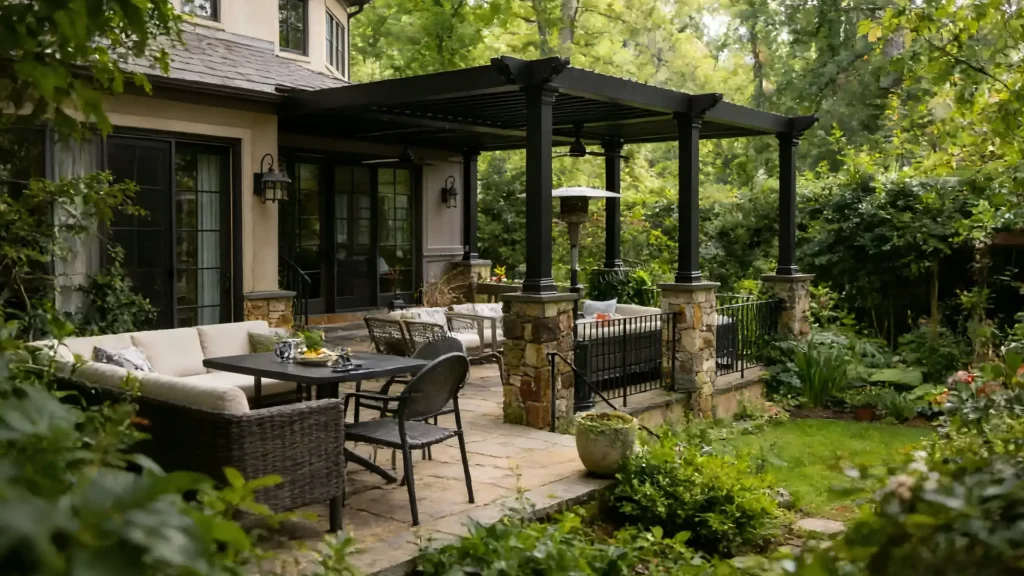
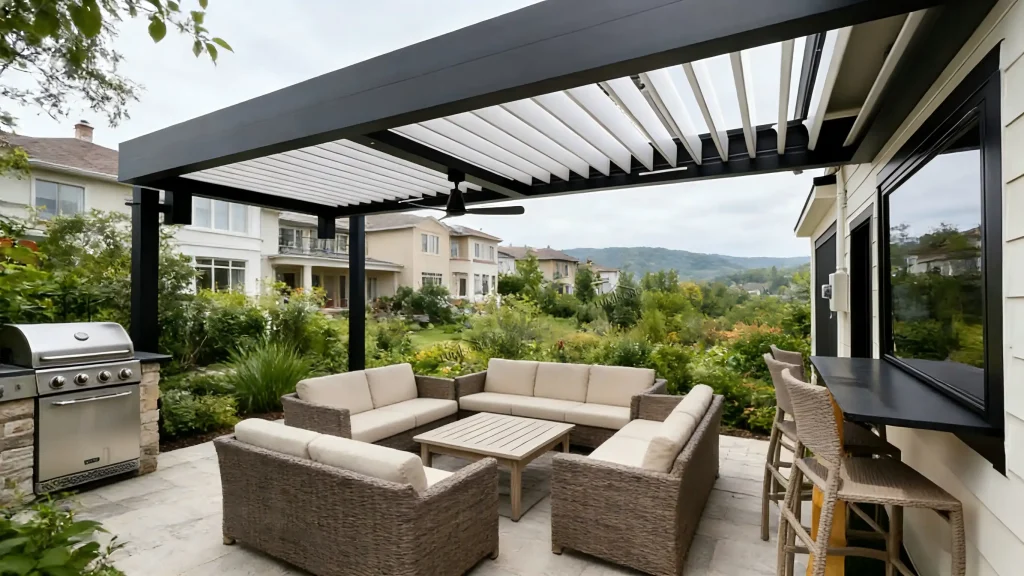

Introduction: A Question That Appears Late — But Shouldn’t
When planning an outdoor living space, most homeowners start with design:
how it will look, how it will feel, and how it will be used.
The question of permits usually appears much later —often after a design has been chosen or a budget discussed.
Yet for many projects, permit requirements quietly shape what is possible.
Understanding whether a pergola requires a permit is not about bureaucracy.
It is about planning calmly, avoiding surprises, and ensuring that an outdoor space integrates naturally with both the home and its surroundings.
Why Pergola Permits Exist in the First Place
Permits are not designed to limit creativity.
They exist to ensure that structures placed on residential properties are:
- Structurally sound
- Safe for occupants and neighbors
- Consistent with zoning and land-use regulations
Pergolas sit in a unique category.
They are architectural elements, but not fully enclosed buildings.
They interact with the home, the ground, and the environment —which is why regulations vary widely.
The Key Factors That Influence Permit Requirements
There is no universal rule, but permit decisions are commonly influenced by how a pergola is designed and installed.
1、Attachment to the Main Structure
Pergolas that are attached to a house often receive more scrutiny because:
- They transfer structural loads into the building
- They may affect drainage or exterior walls
- They alter the building envelope visually
Wall-mounted pergolas are therefore more likely to require review than freestanding ones.
2、ermanence of Installation
Pergolas that are:
- Anchored to concrete foundations
- Bolted permanently into the ground
- Designed as long-term structures
are more often considered “permanent improvements,”
which increases the likelihood of permit requirements.
3、Size, Height, and Coverage
Many local codes define thresholds related to:
- Overall footprint
- Height above ground
- Proximity to property boundaries
Pergolas that remain below certain limits may be classified as accessory structures with fewer regulatory requirements.
4、Electrical and Mechanical Components
Modern pergolas frequently include:
- Integrated lighting
- Motorized louvers
- Heating or smart controls
Electrical elements almost always introduce additional inspection or approval steps.
When Pergolas Often Do Not Require a Permit
In some jurisdictions, permits may not be required when pergolas are:
- Freestanding
- Below defined size and height limits
- Open on all sides
- Installed without electrical systems
However, exemption does not mean absence of rules.
Homeowners associations, zoning overlays, or heritage districts may impose their own requirements.
Why Local Regulations Matter More Than General Advice
One of the most common mistakes homeowners make is relying on general online advice.
Permitting rules can vary not only by country or state,but by city — sometimes even by neighborhood.
A pergola that requires no permit in one area may require full review just a few kilometers away.
This is why early consultation with local authorities or qualified professionals is always worthwhile.
How Thoughtful Design Can Simplify Approvals
Permits are rarely about rejecting outdoor living ideas.
They are about ensuring safety, clarity, and consistency.
Pergola designs that tend to move through approval more smoothly often share:
- Clear structural logic
- Well-defined load paths
- Integrated drainage planning
- Proportions that respect the existing architecture
In other words, good design often aligns naturally with regulations.
Permits as Part of Responsible Outdoor Living
It can be tempting to view permits as obstacles.
In practice, they are part of building responsibly.
They protect homeowners from:
- Unsafe installations
- Future disputes
- Costly modifications after completion
A well-planned pergola should feel calm not only in use,but also in how it came to be built.
A Balanced Perspective
At LUMISONG, pergola systems are designed to integrate naturally with residential architecture.
Considerations such as structure, attachment, drainage,and long-term stability are addressed early —helping projects move forward with clarity and confidence.
Permits are not something to fear.
They are simply part of thoughtful, long-term outdoor planning.
Explore Further
How Are Pergolas Installed on Existing Homes?
Freestanding vs Wall-Mounted Pergolas
Explore Pergola Systems